
There are a lot of opinions out there about the best national parks in summer, so I decided to settle it the way I settle most things: with data and a liberal use of Excel. I’ve gone through all 63 official national parks and put together a comprehensive ranking system that weighs Weather, Crowdedness, Beauty, Uniqueness, Activities, and Logistics. All of the data points were calibrated specifically for summer travel and my own experiences visiting national parks.
What came out the other end is a list that ranges from a remote volcanic island in the Pacific to the ancient cliff dwellings of the American Southwest, with just about everything in between. Crowdedness played a meaningful role in how I ordered this list. So, some of the greatest parks in the country rank a little lower than you might expect, and I want you going in with eyes wide open about what a peak summer visit to those parks actually looks like.
My list of the ten best summer national parks brings plenty of stops to cool off, but also a few where it’ll be hard to beat the heat! So grab your sunscreen and favorite canteen, pile the family into the car, and hit the road to one of these amazing national parks.
This post contains affiliate links. Clicking on them costs you nothing, but it does help support my blog. I promise to never recommend a product or service that I haven’t tried or done plenty of research on. Thanks for reading and supporting!
10. Mesa Verde National Park
Mesa Verde National Park is the only park in the entire national park system dedicated primarily to preserving and interpreting the works of people rather than works of nature. That distinction makes it one of the most unique summer destinations in the country. Tucked into the high desert of southwestern Colorado, the park protects over 5,000 known archaeological sites left behind by the Ancestral Puebloans who called this mesa home for over 700 years.
The crown jewels of any Mesa Verde visit are the cliff dwellings themselves, and summer is actually the best season to see them in full. Cliff Palace, the largest cliff dwelling in North America, is only accessible via ranger-led tour. Balcony House is another must, offering a more adventurous climb through ladders and tunnels to reach a dwelling that feels genuinely suspended in time. Book your tour tickets in advance through Recreation.gov, because these sell out fast and there is no walking up to the ticket window in July hoping for the best.
Beyond the cliff dwellings, the Chapin Mesa Archeological Museum is an excellent free resource for understanding what you’re actually looking at before you hit the trails. The Cliff Palace Loop Road and Mesa Top Loop Road let you take in dozens of additional sites from viewpoints with minimal hiking required. At nearly 8,500 feet in elevation, Mesa Verde runs significantly cooler than the surrounding desert floor, which makes it a welcome relief if you’re chaining it onto a broader Southwest road trip through Arches, Canyonlands, or the surrounding Four Corners region.
9. Yosemite National Park
Yosemite National Park is, by almost any measure, one of the most stunning places on Earth. The park’s crowd score in my ranking system is about as low as it gets for summer, which is the honest reason it sits at #9 rather than much higher. That is not a knock on Yosemite; it is a warning.
If you show up to Yosemite Valley on a Saturday morning in July without a reservation or a plan, along with a healthy dose of patience, you are going to have a bad time. Go in with the right expectations and the right preparation, however, and Yosemite will absolutely deliver one of the best national park summer vacations of your life.

The valley itself is the centerpiece, and it deserves every bit of its reputation. El Capitan, Half Dome, Bridalveil Fall, and Yosemite Falls all share the same narrow stretch of valley floor in a way that genuinely doesn’t seem real when you’re standing in the middle of it. Hiking to the top of Half Dome via the cables route is one of the bucket list experiences in the entire national park system, but permits are required and distributed by lottery, so plan well ahead. For something more accessible, the Mirror Lake loop and the Valley Floor loop offer incredible views without the permit headache.

What saves Yosemite from its own crowds is its sheer size. The vast majority of summer visitors never leave the valley, which means Tuolumne Meadows, just 90 minutes away up Tioga Road, offers a genuinely different experience. The high country opens fully in summer, the wildflowers are exceptional, and the volume of people drops dramatically the moment you leave the valley behind. If you want Yosemite at its best, split your time between both.
8. Glacier National Park
Glacier National Park is called the Crown of the Continent for a reason, and if you’ve ever seen photos of its jagged peaks, turquoise lakes, and sweeping alpine meadows, you already understand why. It is the closest thing the United States has to the Swiss Alps, and summer is the one season where the full scope of that landscape becomes accessible to visitors.
The activities and beauty scores Glacier earned in my ranking system are among the highest of any park in the country, which is exactly what you’d expect from a place this spectacular. Where it takes a hit is crowding, and like Yosemite, that reality requires some honest planning before you go. Get that planning right and Glacier will rank among the best trips you have ever taken.
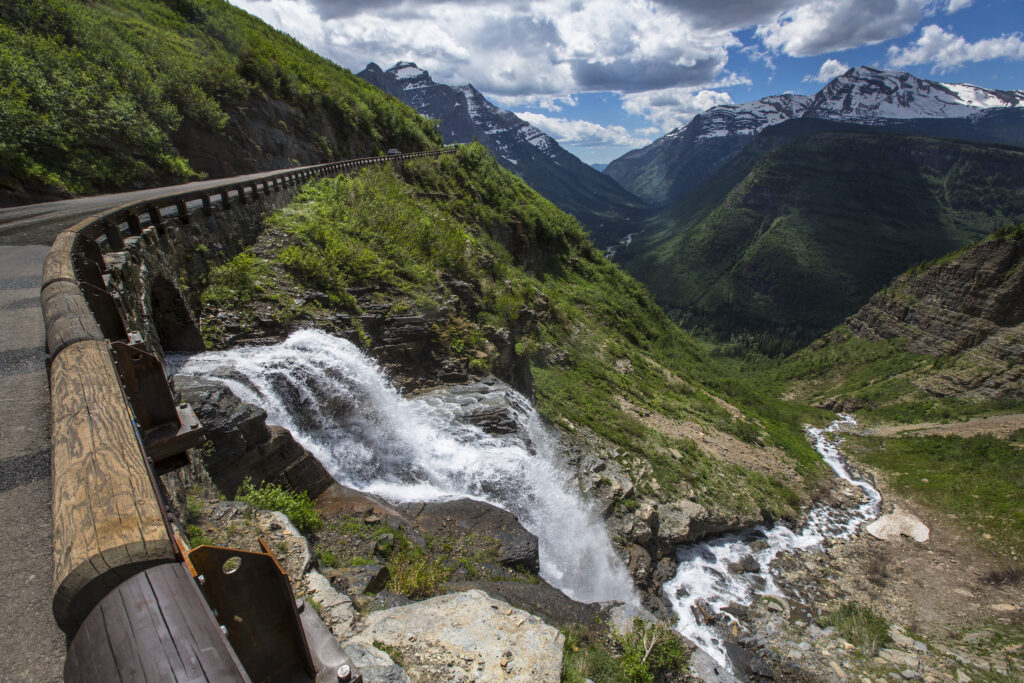
The centerpiece of any summer visit is Going-to-the-Sun Road, the 50-mile engineering marvel that bisects the park and crests Logan Pass at just over 6,600 feet. The road typically doesn’t open fully until late June or early July depending on snowpack, which makes summer the primary window to drive it.
Logan Pass itself is one of the most accessible high alpine environments in the country, with mountain goats that wander the parking lot and wildflower meadows that stretch as far as you can see. The Hidden Lake Overlook trail from Logan Pass is a relatively short hike with a payoff that is genuinely hard to believe. Get there early, because the Logan Pass parking lot fills by 7am on busy summer days and vehicle reservations are required to drive the road during peak hours.
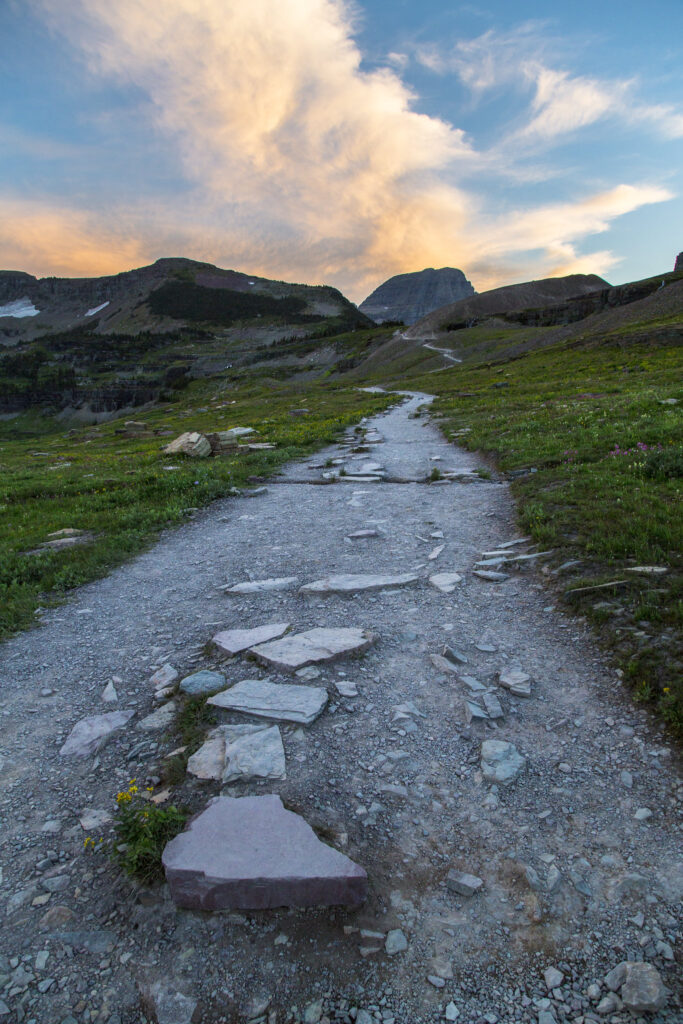
Beyond the road, Glacier rewards those who venture into its less trafficked corners. The Many Glacier area on the east side of the park is one of the most scenic valleys in the entire national park system and draws a fraction of the visitors that Logan Pass does. St. Mary Lake and Two Medicine are equally stunning and similarly less crowded by comparison.
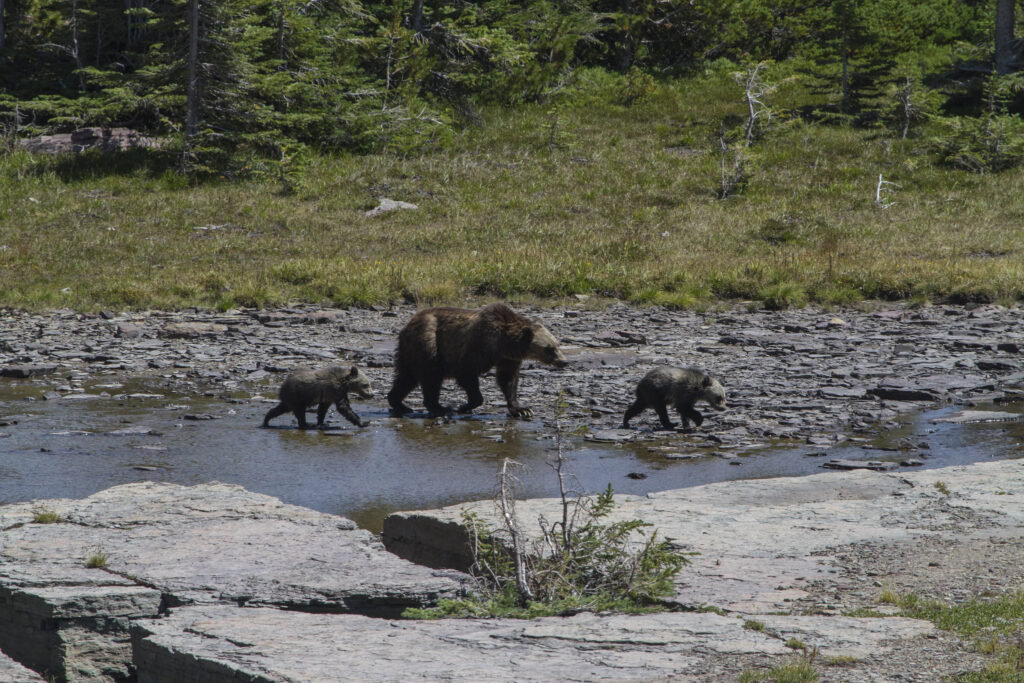
Glacier is also one of the premier wildlife viewing parks in the lower 48, with healthy populations of grizzly bears, black bears, moose, and wolves roaming the backcountry. Summer is your best shot at seeing them.
7. Yellowstone National Park
Yellowstone is the original. The world’s first national park, established in 1872, and still the gold standard by which every park that followed has been measured. It sits at #7 on this list for the same crowd-related reasons as Yosemite and Glacier, but I want to put that in perspective quickly.
Yellowstone’s weather score for summer is a perfect 5.0 in my ranking system, its beauty score is an 8 out of 10, and its activities score ties for the highest of any park in the entire country. The crowds are the one thing holding it back from the top five, and even then, with a little strategy, you can minimize their impact significantly.
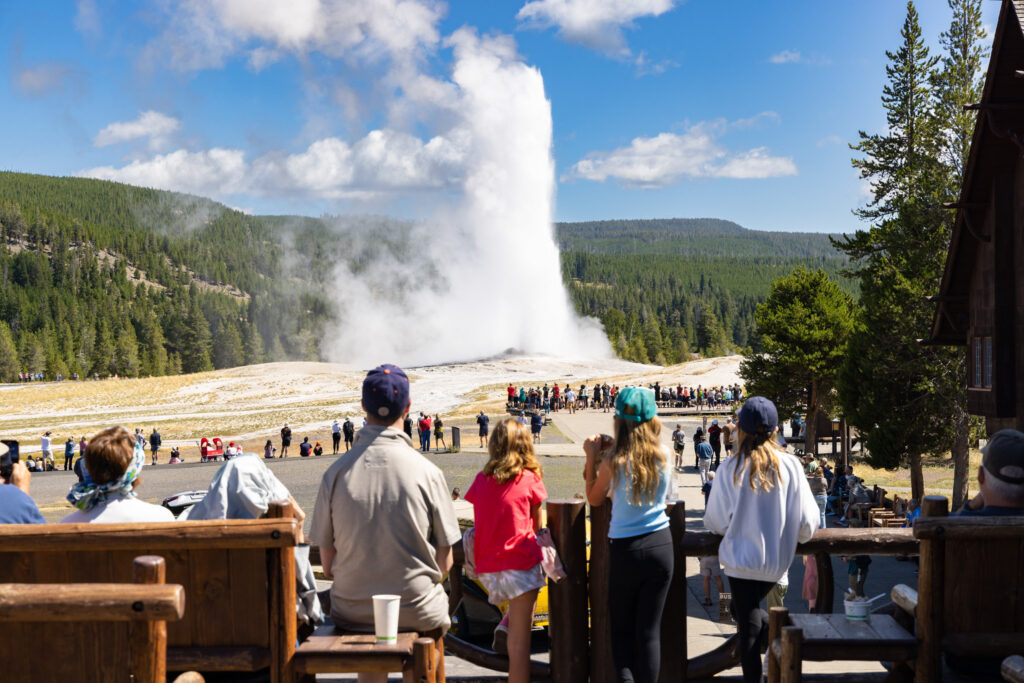
What makes Yellowstone unlike anything else in the national park system is the hydrothermal activity beneath your feet. The park sits atop one of the largest active volcanic systems on Earth, and that geology produces over half of the world’s geysers, thousands of hot springs, and a collection of hydrothermal features that you simply cannot see anywhere else.
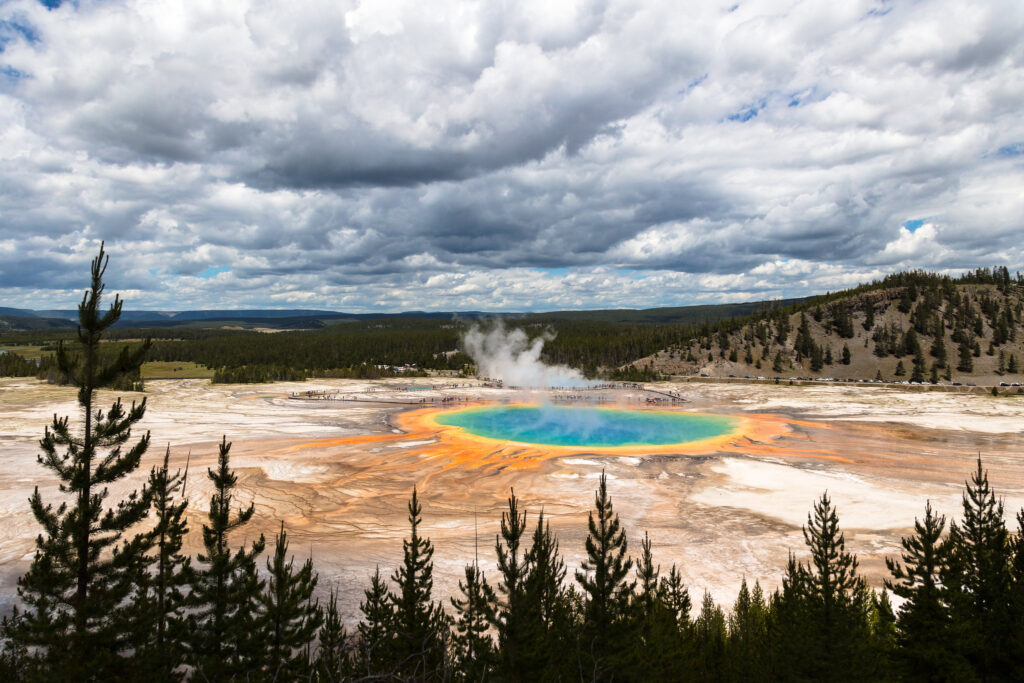
Old Faithful is the obvious starting point, but the Grand Prismatic Spring in the Midway Geyser Basin is arguably the more spectacular sight. Its vivid rings of orange, yellow, and green spreading out from a deep blue center is one of the most otherworldly images in all of American nature. Get to the overlook trail above it for the full picture.
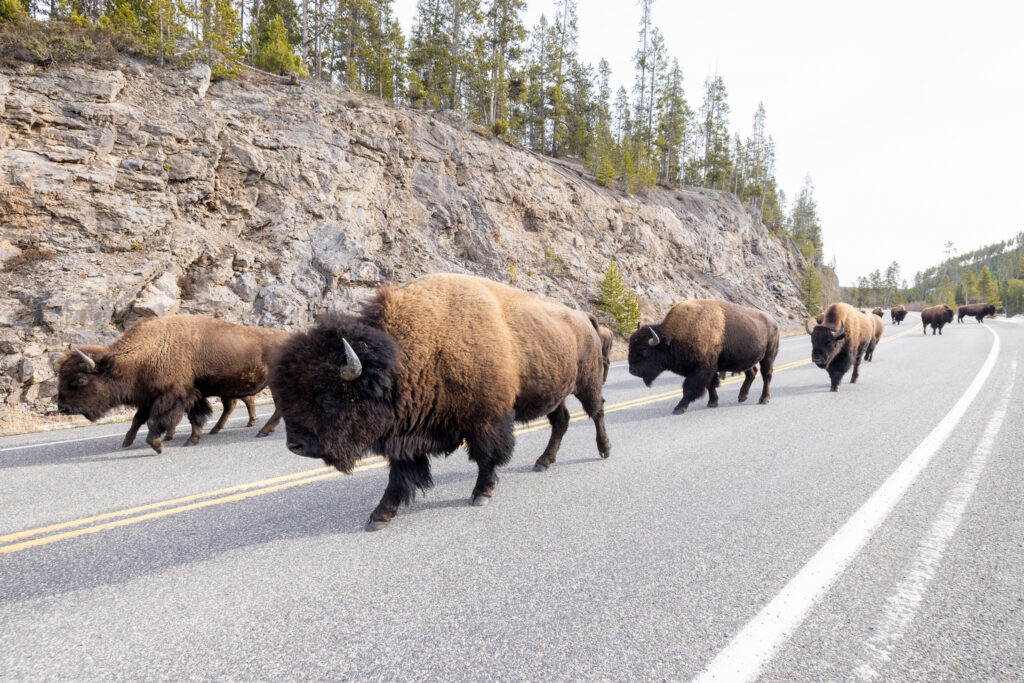
Yellowstone is also one of the premier wildlife destinations on the planet, and summer puts that on full display. The Lamar Valley on the park’s northeastern edge is known as the Serengeti of North America, with bison herds, wolf packs, grizzly bears, and pronghorn all sharing the same wide open grassland. Arriving at Lamar at sunrise with a pair of binoculars is one of those national park experiences that is genuinely difficult to put into words.
The park is massive at 2.2 million acres, so use that to your advantage. The crowds cluster heavily around Old Faithful and the Grand Canyon of the Yellowstone, which means the backcountry, the Bechler region, and the northern range near Lamar offer breathing room even in the heart of summer.
6. Grand Teton National Park
If you just read the Yellowstone entry and started planning a trip, do yourself a favor and add Grand Teton to the itinerary right now. Actually, consider visiting Grand Teton first since it’s one spot higher on this list.
The two parks share a border and are connected by the John D. Rockefeller Jr. Memorial Parkway, making them the most natural pairing in the entire national park system. A week split between Yellowstone and Grand Teton is, in my opinion, the single best summer national park vacation you can plan for a family. You get the geothermal spectacle and wildlife of Yellowstone alongside the jaw-dropping mountain scenery and lake activities of Grand Teton, and the drive between them takes less than an hour.
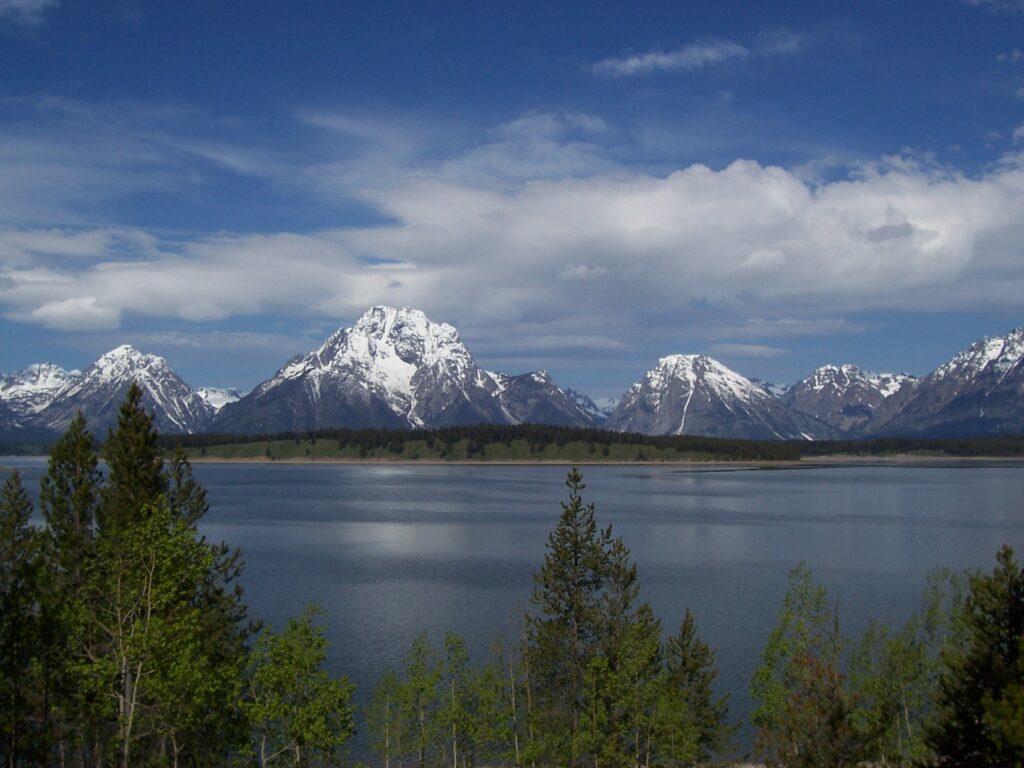
Grand Teton earns its place on this list entirely on its own merits though. The Teton Range rising straight up from the flat valley floor of Jackson Hole is one of the most dramatic landscapes in the country, with no foothills to soften the view. The mountains simply appear, and they are enormous. Jenny Lake sits at the base of the range and serves as the hub of activity for most visitors. The ferry across the lake drops you at the base of Cascade Canyon, where one of the best day hikes in the national park system winds up through a glacially carved valley with peaks towering on both sides.
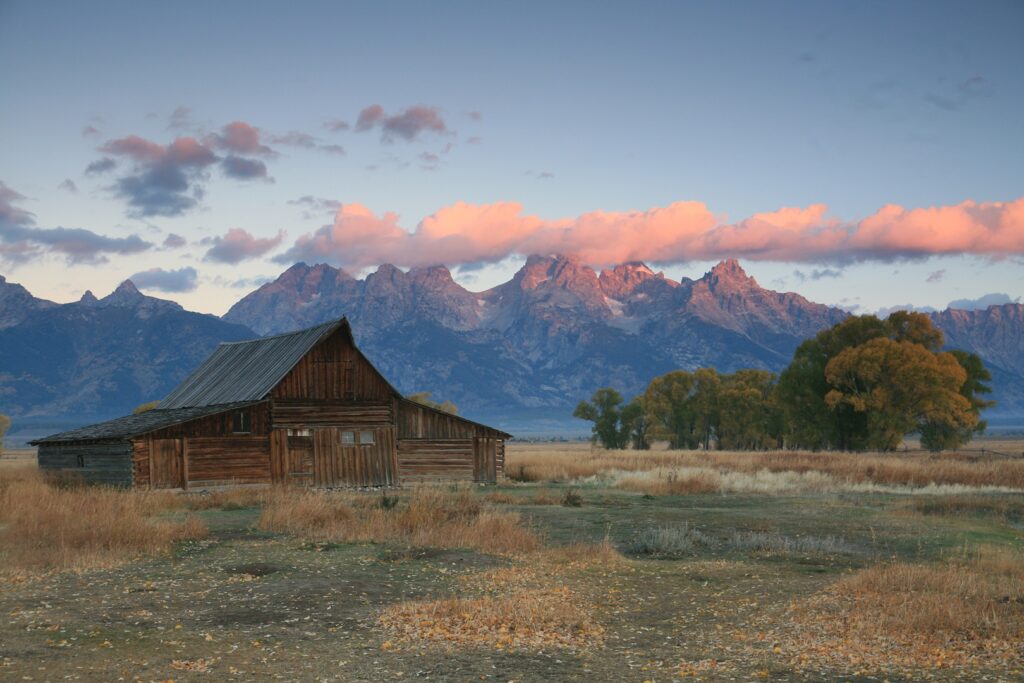
Beyond hiking, Grand Teton is exceptional for water activities in a way that Yellowstone simply is not. Snake River float trips through the valley offer a completely different perspective on the Tetons, and kayaking or canoeing on Jenny, String, or Leigh Lakes on a calm summer morning is the kind of experience that ends up as your trip’s defining memory. The town of Jackson just south of the park adds a level of dining and lodging infrastructure that makes Grand Teton one of the more comfortable parks to base yourself in for several days.
5. Virgin Islands National Park
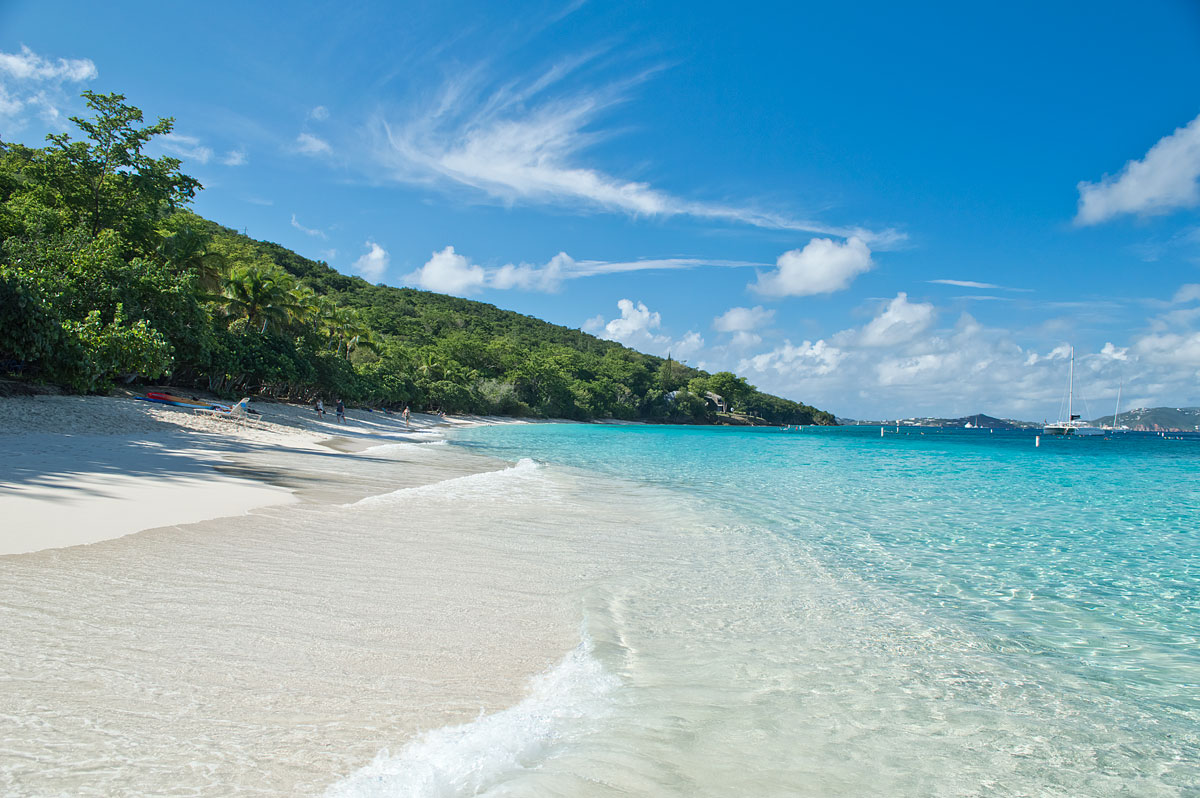
Virgin Islands National Park is the one park on this list that sells itself the moment you mention it. A national park on a Caribbean island with world-class beaches, coral reefs, and some of the clearest water in the Western Hemisphere.
What makes it genuinely special though, and what separates it from a generic beach vacation, is how much of St. John has been protected from development. Roughly two thirds of the island falls within national park boundaries, which means the beaches, reefs, and hillside trails have remained in a condition that most Caribbean destinations simply can’t match anymore.
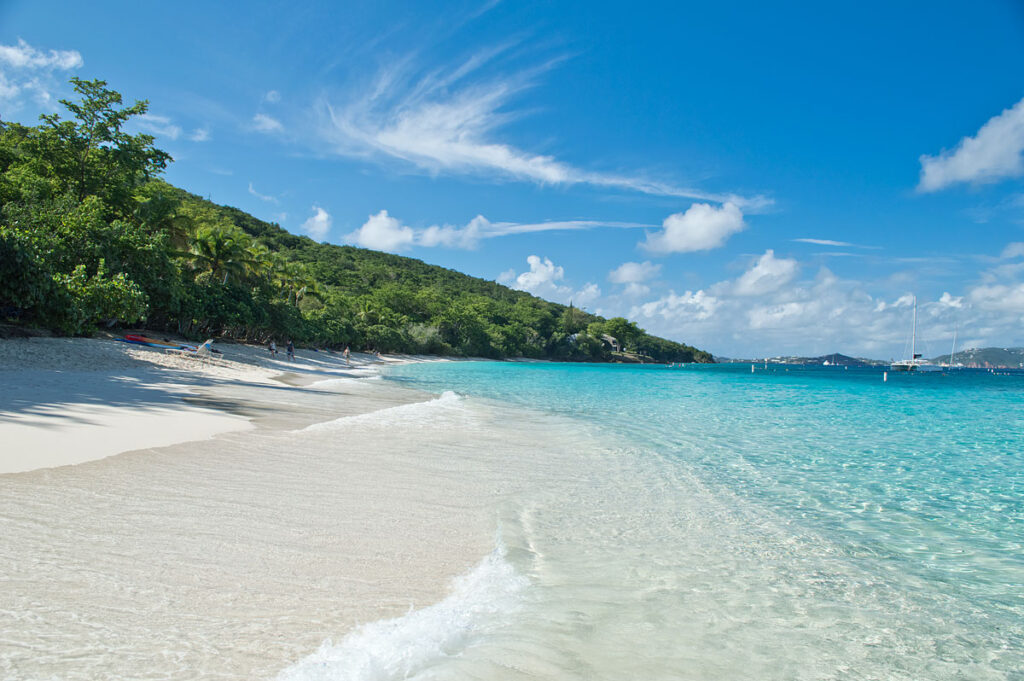
That protection means the beaches, coral reefs, and hillside trails have remained in a condition that most Caribbean islands simply can’t match anymore. Trunk Bay is consistently ranked among the most beautiful beaches in the world, and it features an underwater snorkel trail that introduces you to the reef ecosystem in a way that even first timers can fully enjoy. Cinnamon Bay, Hawksnest, and Maho Bay are equally stunning and typically less crowded than Trunk Bay.
Getting there requires flying into St. Thomas and catching a short ferry to St. John, which adds a layer of logistics that most parks on this list don’t require. Once you’re there though, the infrastructure is solid enough to make the trip comfortable without sacrificing the feeling of being somewhere genuinely remote and special.

The Virgin Islands are also one of the few places in the national park system where snorkeling and diving aren’t just optional add-ons but the primary reason to visit. If your family has any interest in the ocean at all, this is the summer national park that will generate the most memorable photos of the entire trip.
4. North Cascades National Park
North Cascades National Park is the best kept secret in the entire national park system. I am genuinely puzzled that it remains that way. It ranks as one of the least visited parks in the country despite featuring some of the most dramatic mountain scenery anywhere in North America. Jagged glaciated peaks, old growth forest, and alpine lakes that rival anything you’d find in the Alps or Patagonia, all sitting in the state of Washington within a few hours of Seattle.
The crowds that plague so many of the parks lower on this list are essentially nonexistent here, which in my ranking system earned North Cascades a perfect crowd score for summer. That combination of world class scenery and genuine solitude is rare in the national park system and it is exactly why it lands at #4, though it’s remote nature kept it from reaching even higher.
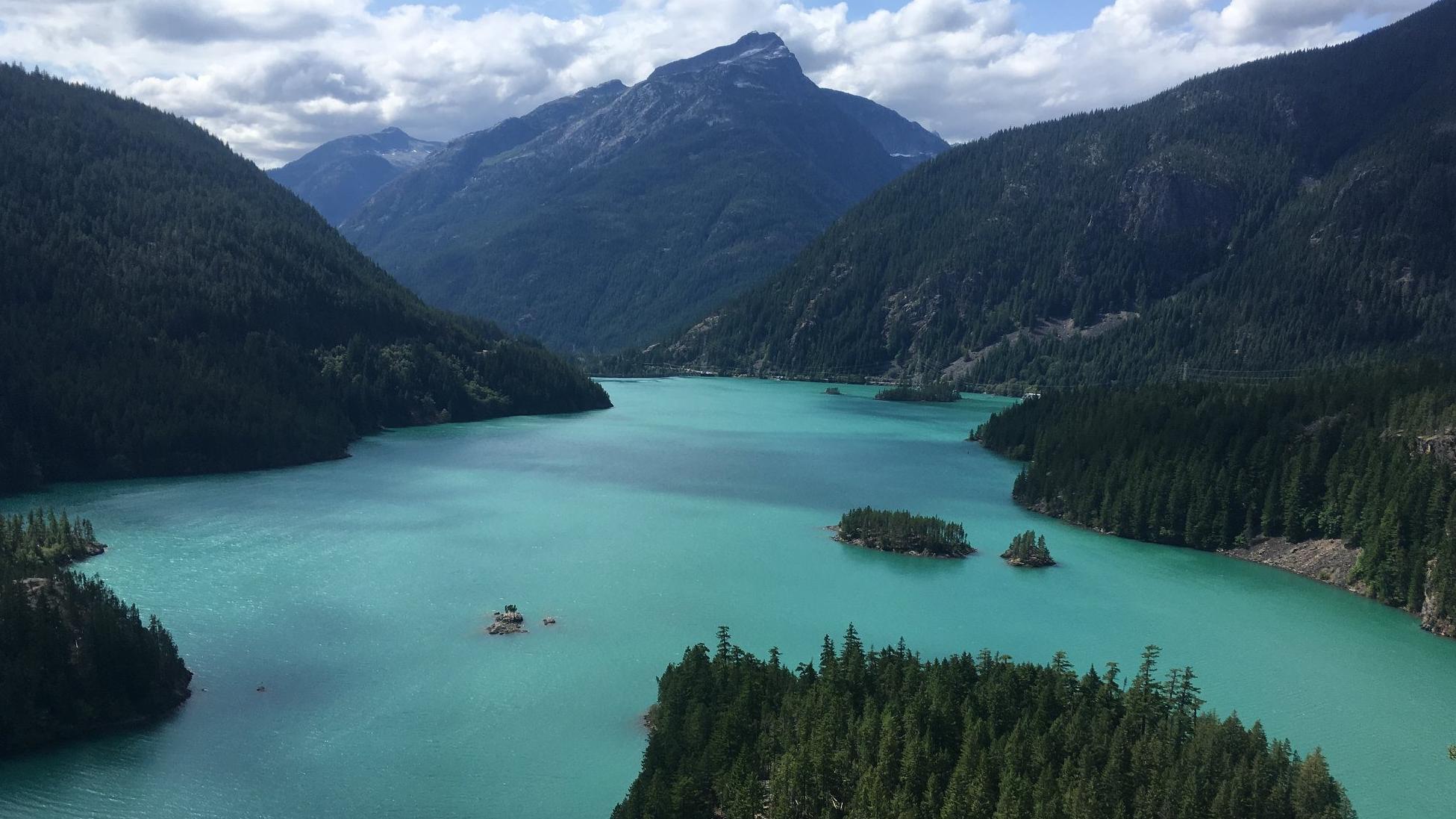
Summer is the only season where North Cascades fully opens for business. Highway 20, the North Cascades Scenic Highway that cuts through the heart of the park, is closed by snow for much of the year and typically doesn’t open until late April at the earliest. By June and July the road is fully accessible and the park transforms into something extraordinary.
The drive along Highway 20 alone is worth the trip, winding through river valleys and climbing past turquoise reservoirs before opening up to views of the high peaks. Pull off at the Diablo Lake Overlook and you’ll understand immediately why this park deserves far more attention than it gets.

Alternatively, you can visit the southern end of the North Cascades park complex. Chelan, Washington sits at the southern tip of Lake Chelan. From here you can take the boat to the north tip of the lake and the remote town of Stehekin. This area provides a whole new place to play and explore North Cascades National Park. Take the shuttle bus deep into the valley for isolated hikes, or simply enjoy a few quiet days on the cool waters of Lake Chelan.

For those who want to get off the road, the hiking here is outstanding and remarkably uncrowded. The Thornton Lakes trail offers a demanding backcountry experience that rewards with views of the Picket Range, one of the most remote and technically challenging mountain environments in the lower 48. The Maple Pass Loop is widely considered one of the best day hikes in Washington and showcases the kind of high alpine terrain that defines the North Cascades experience.
If you want to get on the water, Diablo and Ross Lakes are accessible for kayaking and canoeing and offer a completely different perspective on the park’s interior. North Cascades is the park on this list that rewards the traveler willing to do a little homework, and that homework pays off in a big way
3. Olympic National Park
Olympic National Park is one of the most genuinely diverse places you can spend a summer week anywhere in the country. Three completely distinct ecosystems coexist within the same park boundaries, and the fact that you can start your morning on a wild Pacific coastline, spend your afternoon hiking through a moss-draped temperate rainforest, and watch the sunset from a high alpine meadow without ever leaving the park is something that no other national park in the system can offer.

The Hoh Rainforest is where most visitors begin, and rightfully so. The Hall of Mosses trail is one of those short, accessible walks that manages to feel genuinely otherworldly, with massive maple trees draped in hanging moss creating a canopy that filters the light in a way that is almost impossible to photograph accurately. The Hoh River Trail extends much deeper into the rainforest for those who want to push further into the backcountry. The Quinault Rainforest on the park’s southern edge is a quieter alternative that offers much of the same lush beauty with a fraction of the foot traffic.

The Pacific coastline that runs along Olympic’s western edge is unlike anything else in the national park system. Rialto Beach features dramatic sea stacks rising just offshore and is the kind of place where you can walk for miles without seeing another person. Ruby Beach to the south is equally stunning and a little more accessible for families.
If mountainous terrain is more your style, Hurricane Ridge delivers sweeping views of the Olympic Mountains alongside wildflower meadows in summer that are genuinely breathtaking. Olympic is the kind of park that rewards however much time you’re willing to give it, and a week here still won’t feel like quite enough.
2. Redwood National and State Parks
The tallest trees on Earth live in northern California, and summer is the best time to go stand among them. Redwood National and State Parks are technically a collection of one national and three state parks jointly managed by the NPS, but in practice they function as a single continuous destination that stretches along one of the most scenic stretches of Pacific coastline in the country.
The weather here in summer is about as good as it gets anywhere in the national park system, with mild temperatures, minimal rain, and the kind of cool coastal air that makes spending all day on the trails feel effortless. It is the perfect antidote to the heat that dominates so many summer park destinations.

The trees are the obvious draw, and nothing quite prepares you for the scale of them. Standing at the base of a coastal redwood that has been growing for over a thousand years is one of those experiences that genuinely recalibrates your sense of scale in a way that photos simply cannot capture. The Lady Bird Johnson Grove is one of the most accessible old growth groves in the park system and a great starting point.
For those willing to put in a little more effort, the Tall Trees Grove requires a free permit but rewards with some of the most impressive specimens in the entire park. Prairie Creek Redwoods State Park, one of the partner parks within the complex, is home to Fern Canyon, a slot canyon with walls blanketed in five-fingered ferns that has to be seen to be believed.

Beyond the trees, Redwood’s location along the northern California coast makes it a natural anchor for a longer road trip. The parks sit just over five hours north of San Francisco, which puts them at a comfortable two or three day drive up Highway 1 or Highway 101 depending on your route.
The southern end of the park complex near Orick is the most visited, but pushing further north toward Crescent City opens up quieter sections of coastline and forest that feel genuinely remote. If you are the kind of traveler who likes to combine multiple parks into a single trip, Redwood pairs naturally with Crater Lake to the northeast or continues the coastal road trip logic all the way up into Olympic territory in Washington.
1. Hawaiʻi Volcanoes National Park
Hawaiʻi Volcanoes National Park sits at #1 on this list because there is simply nothing else like it in the national park system, or frankly anywhere else on Earth that is this accessible. This is an active volcanic landscape where new land is literally being created in real time, where lava flows meet the ocean, and where the geological forces that built the Hawaiian Islands are still very much at work.
You are not visiting a place that was shaped by dramatic events thousands of years ago. You are visiting a place where those events are ongoing, and that distinction is what earned Hawaiʻi Volcanoes the highest uniqueness score of any of the 63 national parks in my ranking system.
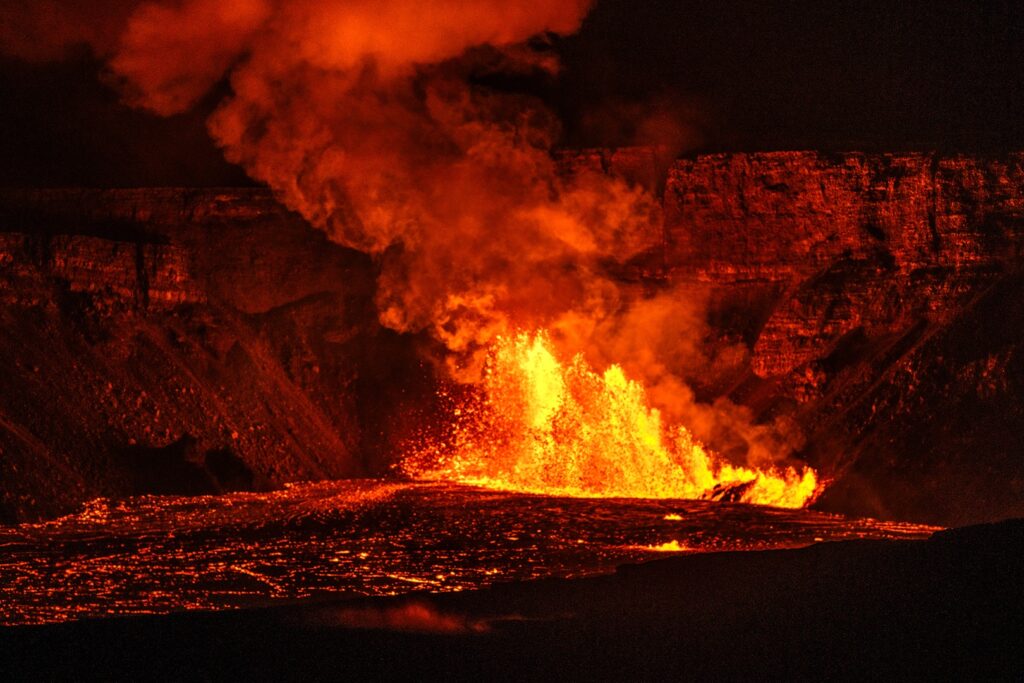
The centerpiece of the park is Kīlauea, one of the most active volcanoes on the planet and the place where most visitors rightfully spend the bulk of their time. The Crater Rim Drive circles the summit caldera and is one of the most extraordinary scenic drives in the entire national park system. Along the way you will pass steam vents rising from cracks in the earth, sweeping overlooks of Halemaʻumaʻu Crater, and viewpoints where the scale of the volcanic landscape genuinely stops you in your tracks.
The Thurston Lava Tube near the visitor center is an easy walk through a tunnel carved by flowing lava that gives you a completely different perspective on how the park was formed. After dark, if conditions allow, the glow of the active lava lake reflecting against the night sky is one of the most otherworldly sights available anywhere in the national park system.
From the summit area, the Chain of Craters Road descends nearly 4,000 feet from the caldera all the way to the coast, and the drive itself is as compelling as the destination. The road passes through vast hardened lava fields that tell the story of past eruptions in a way that no visitor center exhibit can fully replicate.
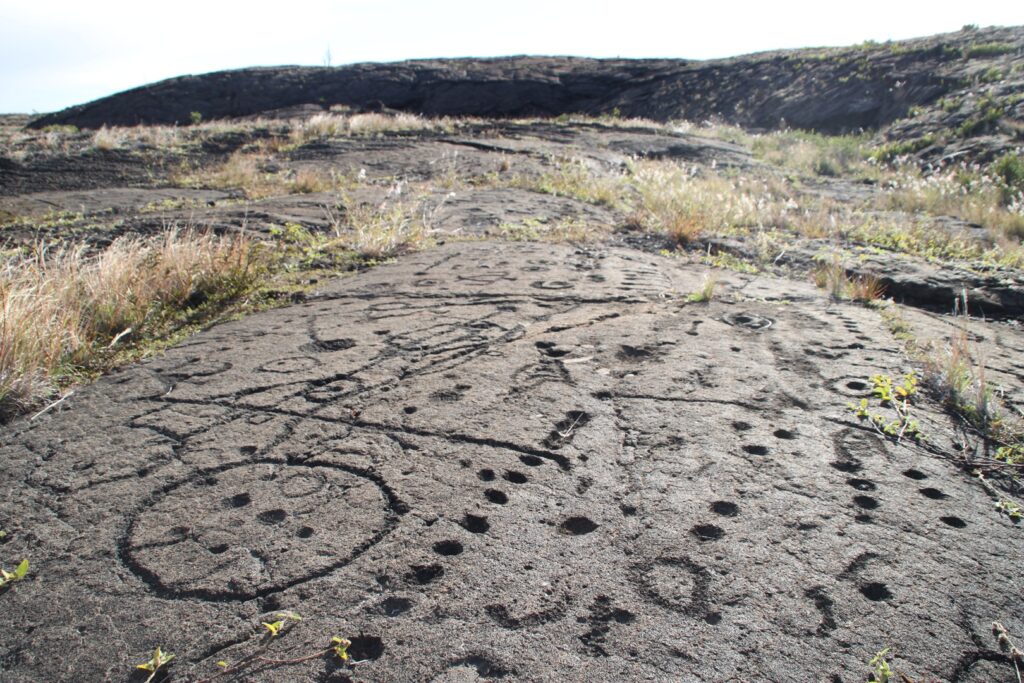
Near the coast, the Puʻuloa Petroglyphs trail leads to one of the largest petroglyph fields in Hawaii, with over 23,000 images carved into the lava by Native Hawaiians over many centuries. At the end of the road, the Hōlei Sea Arch stands as a dramatic reminder of what happens when volcanic coastline meets the relentless force of the Pacific, a natural lava arch that is slowly but surely being claimed by the ocean. It is the kind of detail that makes you stop and reckon with just how young and dynamic this landscape really is.
What makes summer specifically compelling for a visit is the combination of reliable weather and the fact that the park pairs naturally with the rest of the Big Island into one of the most varied vacation experiences you can have in any American destination. Within the park itself you can move from black sand beaches in the morning to volcanic craters in the afternoon to watching the glow of an active lava lake after dark, all without leaving the park boundaries.
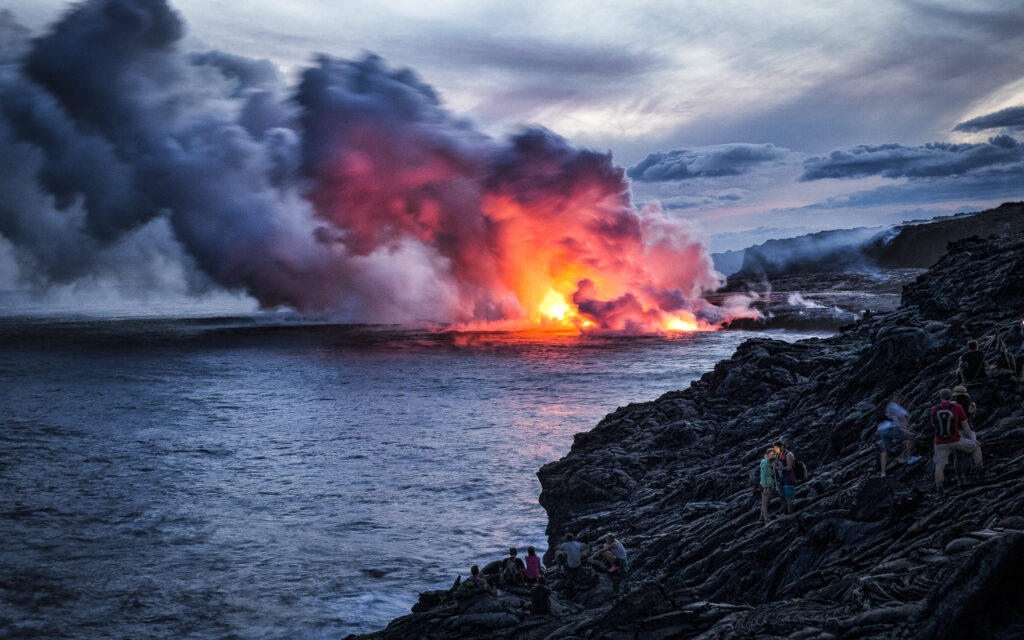
Getting here requires a flight to the Big Island, and that is a bigger commitment than any other park on this list. However, the park offers an experience that exists in few other places on Earth, and a little extra planning to get here is a small price to pay for something this extraordinary. It is exactly why it holds the top spot on my list of the best national parks in summer.
General Tips for Visiting the Best National Parks in Summer
No matter which parks on this list you choose to visit, the single most important thing you can do is plan ahead, and the earlier the better. Several parks on this list, including Yosemite, Glacier, and Yellowstone, require timed entry reservations during peak summer months that sell out weeks or even months in advance. Campground reservations at the most popular sites follow the same pattern. If you are planning a summer national park vacation and expecting to show up without a reservation and figure it out on the fly, you are going to have a very frustrating experience. Get on Recreation.gov early, lock in your dates, and then enjoy the trip knowing the hard part is already handled.
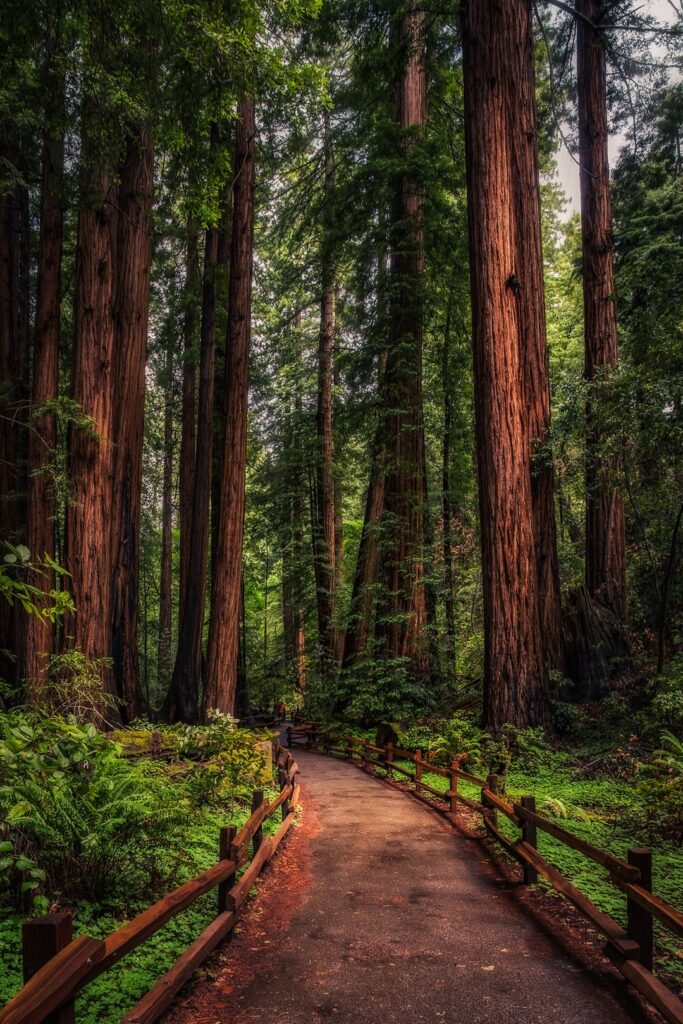
Summer weather across this list runs the full spectrum, and it is worth thinking through before you pack. Hawaiʻi Volcanoes, Redwood, and Olympic all offer mild and comfortable summer temperatures that make spending full days outside genuinely effortless. Glacier, Grand Teton, and North Cascades sit at higher elevations where afternoon thunderstorms can develop quickly, so always carry a rain layer regardless of what the morning forecast says. Virgin Islands sits in hurricane season during summer, so keep an eye on the tropics if you are planning a trip in August or September and make sure your travel insurance covers weather disruptions.
My final piece of advice is one I have to remind myself of constantly: give these parks the time they deserve. It is tempting to try to link three or four parks into a single trip, and for some combinations on this list that absolutely makes sense, particularly the Yellowstone and Grand Teton pairing I mentioned earlier. But trying to see too much too fast is the surest way to leave feeling like you skimmed the surface of every park rather than actually experiencing any of them. If you can give a single park three or four full days, do it. You will come home with better memories and a longer list of reasons to go back.
Honorable Mentions for the Best Summer National Parks
There are a handful of parks that came very close to cracking this top ten and deserve a mention before you go.
Shenandoah National Park is one of the best overall parks in the eastern United States and earns high marks across nearly every category in my ranking system, but it appears on both my spring and fall top ten lists and I wanted to give other parks their moment in the summer spotlight.

Grand Canyon is an all-time great that honestly suffers more in summer than almost any other park on this list, with brutal heat on the inner canyon trails and some of the most intense crowds in the entire national park system making a July visit a genuine challenge.
Biscayne National Park in South Florida shares some DNA with Virgin Islands in that it is primarily a water-based park, but it does not quite match the visual drama or the biodiversity of what you will find in the Caribbean.

Finally, Sequoia National Park is a legitimate contender that simply got squeezed out by the fact that Redwood and Yosemite both made the list and cover much of the same Sierra Nevada and ancient tree territory. Any of these four would make for a fantastic summer national park vacation in their own right.
A Few Final Thoughts on the Best National Parks in Summer
Summer is an incredible season to explore the national park system, and the ten parks on this list represent the very best of what it has to offer. From the volcanic coastline of the Big Island to the ancient forests of the Pacific Northwest to the crystal clear waters of the Caribbean, there is genuinely something here for every kind of traveler. The one thread that runs through all of them is that a little planning goes a long way. Book early, give yourself enough time, and go in with realistic expectations about the crowds at some of the bigger names on the list. Do that and you are going to have an incredible trip.
If you want to keep exploring the national park system beyond summer, I have put together top ten lists for every season. Check out my picks for the best national parks in spring, best national parks in fall, and best national parks in winter for year round inspiration. As always, if you have questions about any of these parks or need help planning your trip, drop them in the comments below or reach out directly at triphelp@floridamanontherun.com. I am always happy to help you plan an adventure worth taking.
If this post has helped you plan your next trip and you’d like to help me continue writing and travelling I’d greatly appreciate your support. Following me on social media will help you stay in touch, or you can get a free custom itinerary by signing up for my newsletter!
Don’t Forget to Pin by Using the Image Below!


Leave a Reply