

There’s no shortage of opinions on the best national parks to visit in spring, but I wanted to build this list on something more solid than vibes. Every park in the system got scored across the factors that actually determine whether a spring trip is worth it by reviewing weather quality during March, April, and May, wildflower potential, and how crowded you can expect the park to be.
Those scores, combined with each park’s overall experience, logistics, and what there is to do, produced the ten parks you’ll find below. From the fog-draped islands off the California coast to the wildflower-blanketed ridges of the Blue Ridge Mountains, these are the best national parks for spring in 2026 and I’m confident there’s something here no matter where in the country you’re starting from.
10. Pinnacles National Park, Central California
Pinnacles is the kind of park that makes you wonder how you’d never heard of it before.
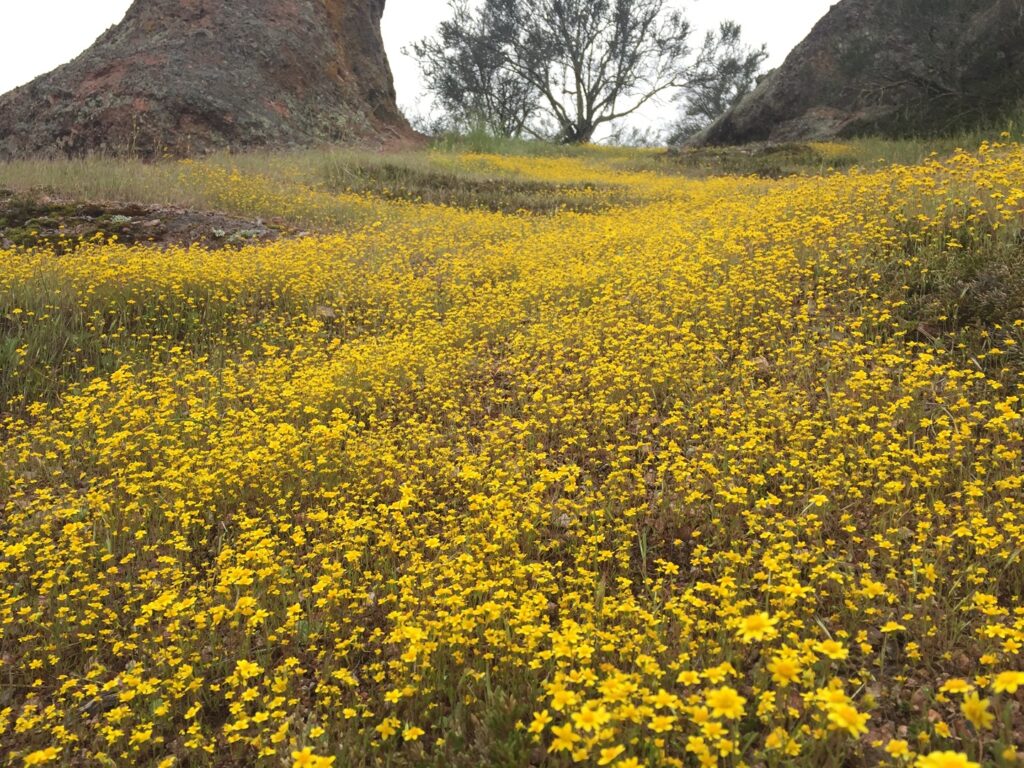
Established as a national park in 2013, Pinnacles protects the remains of an ancient volcano that has been slowly migrating northward along the San Andreas Fault for millions of years. What’s left behind are dramatic spires and crags of volcanic rock rising sharply out of the California chaparral, creating one of the most visually striking and geologically fascinating landscapes in the state. Spring is when the park looks its absolute best. The hillsides surrounding those rock formations come alive with wildflowers from March through May, and the mild temperatures make hiking through the talus caves and up to the high peaks genuinely enjoyable rather than a slog through summer heat.
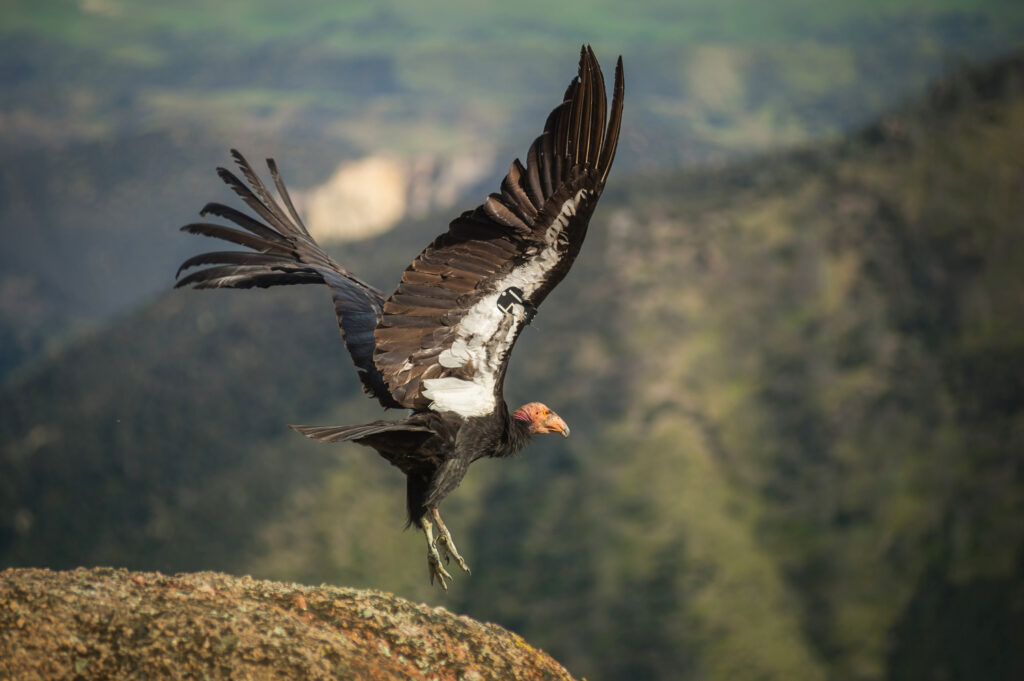
The bigger story at Pinnacles, though, is the California condor. The park is one of the primary release sites for captive-bred condors as part of one of the most ambitious wildlife recovery programs in American history. These birds nearly went extinct in the 1980s, with the entire wild population reduced to just 27 individuals. Today you can look up from almost any trail in the park and spot condors riding the thermals above the rock formations. For a lot of visitors, that sighting alone makes the trip worth it.
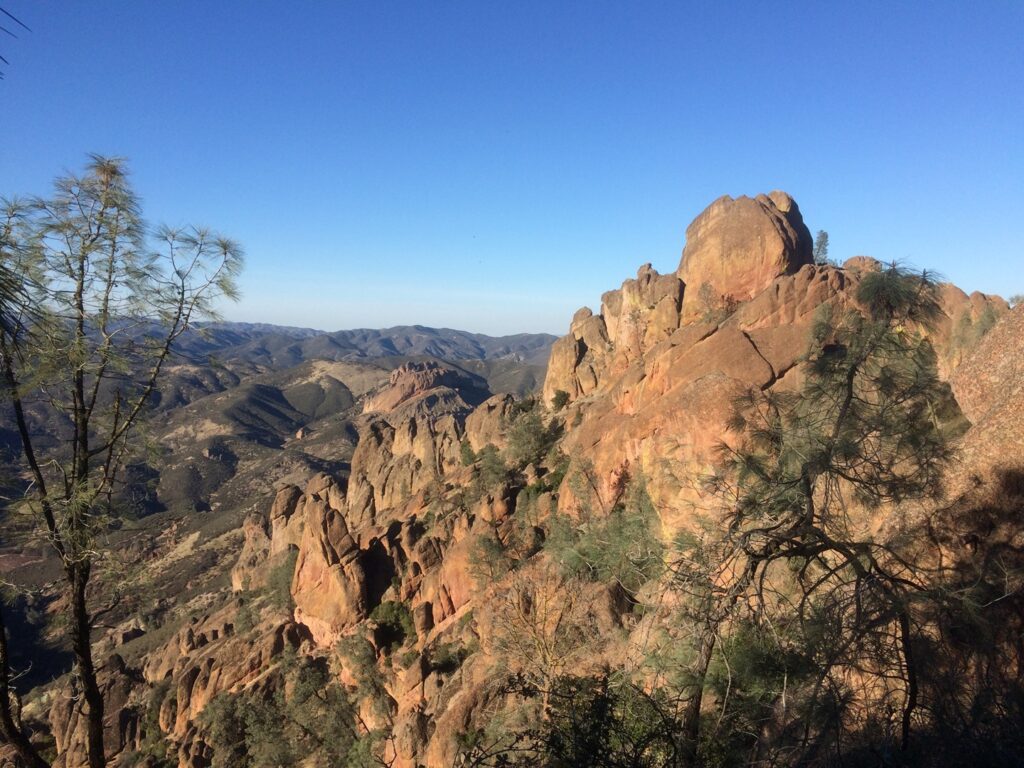
If you’ve already checked off the marquee California parks and are looking for something that feels genuinely off the beaten path, Pinnacles is one of the best national parks for a spring trip precisely because so few people think to put it on the list. The crowds are manageable, the spring weather is as reliable as anywhere in the system, and the chances of watching a condor soar overhead above ancient volcanic spires are about as good as they get anywhere in the country.
9. Great Basin National Park, Nevada
Great Basin might have the best night sky of any national park you can actually drive to.

The park sits in one of the most remote and least light-polluted corners of the lower 48, roughly four hours from both Salt Lake City and Las Vegas on US-50, a highway famously nicknamed the Loneliest Road in America. That isolation is precisely what makes it special.
On a clear spring night at Great Basin, the Milky Way is visible to the naked eye in a way that most Americans have genuinely never experienced. The park holds an annual Astronomy Festival every summer, but spring is when you can enjoy those same skies without the crowds that come with it. And crowds are something you will not find here. Great Basin consistently sees fewer visitors than almost any other park in the continental United States, which means the night sky experience is yours almost entirely to yourself.
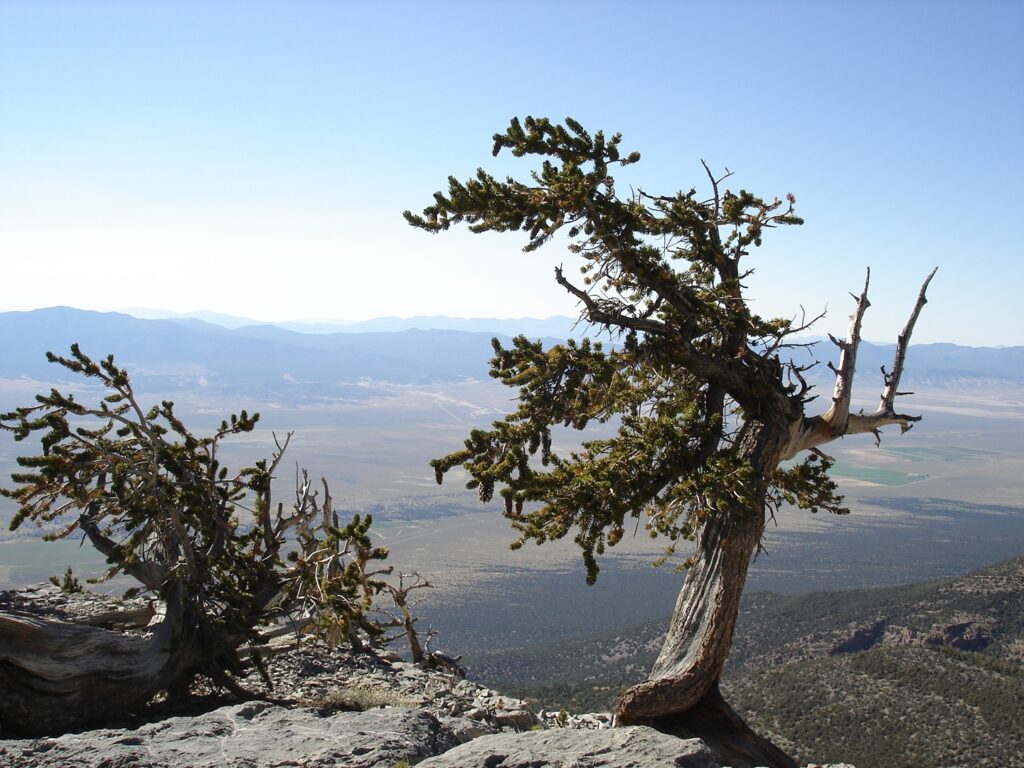
The dark skies are the headline, but they’re not the whole story. Wheeler Peak, at just over 13,000 feet, anchors a surprisingly diverse landscape. Ancient bristlecone pines, some of the oldest living organisms on earth, cling to the slopes below the summit. Lehman Caves, one of the most well-preserved marble caves in the American West, sits at the base of the mountain and offers guided tours throughout the spring season. The combination of a glacial lake, ancient trees, a limestone cave, and world-class stargazing in a single park is something most people don’t expect from Nevada.
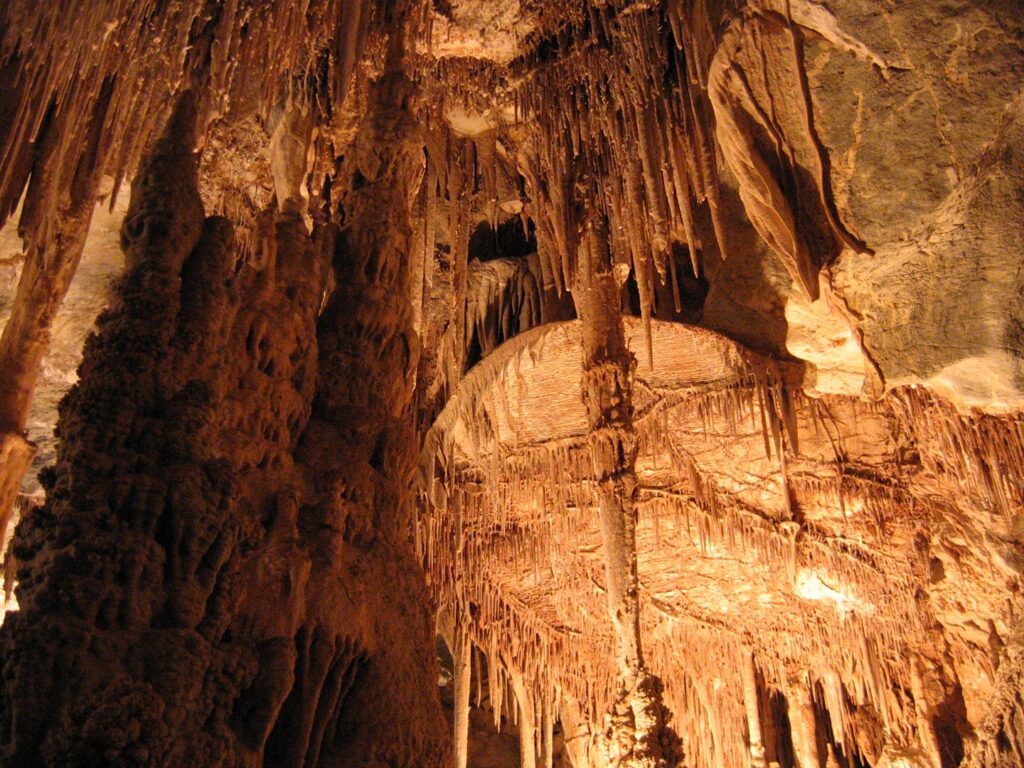
Getting here requires honest commitment. The nearest commercial airport is in Salt Lake City, and the drive through the Great Basin Desert is long and sparse. Services inside and around the park are minimal, so arriving prepared matters. But if you’re the kind of traveler who considers genuine remoteness a feature rather than a drawback, Great Basin is one of the most rewarding national parks to visit in spring and that drive through the high desert will start feeling like part of the experience long before you arrive.
8. Yosemite National Park, Central California
There is a moment in Yosemite Valley where you round a bend and the full scale of the place hits you all at once, and no photograph you have ever seen quite prepares you for it.

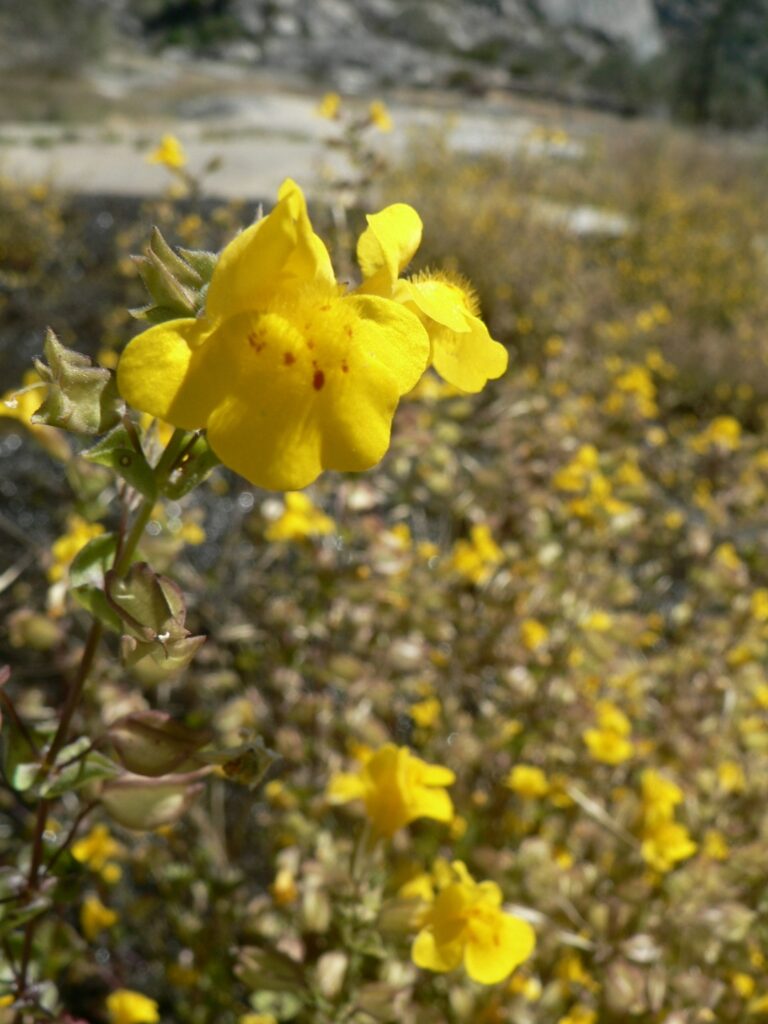
I visited in October, when the waterfalls were at their lowest. Even then, the valley was one of the most breathtaking places I’ve ever stood. In spring, the snowmelt from the high Sierra turns Yosemite into something else entirely. Bridalveil Fall thunders down the cliffside with enough force to feel the mist from the trail below. Yosemite Falls, one of the tallest waterfalls in North America, runs at full force from April through June. Ribbon Fall, which dries up completely by midsummer, exists almost exclusively as a spring phenomenon. If the waterfalls are what draw you to Yosemite, spring is without question the right time to come.

Now, the honest part. Yosemite is busy in spring, and pretending otherwise wouldn’t be doing you any favors. The valley road system was not designed for the number of people who want to be there, and parking can turn a perfect morning into a frustrating one very quickly.
The best thing you can do is get there early, and I mean genuinely early. Arriving before 8am puts you ahead of the bulk of the crowds and gives you stretches of the valley that feel surprisingly quiet. Better yet, if camping is an option for you, take it. Staying inside the park means you’re already there when the light is best and the trails are emptiest, with no car to worry about at all.
With all that in mind, the crowds at Yosemite have never once made me think the trip wasn’t worth it. The valley has a way of absorbing people without ever quite losing its sense of scale. You can still find solitude if you’re willing to walk a little further than most people do. Yosemite is one of the best national parks in spring, full stop, and the waterfall season alone is reason enough to go.
7. Everglades National Park, South Florida
Most national parks reward you for going in spring. The Everglades practically demands it.

The Everglades operates on a wet season and dry season cycle, and spring falls at the tail end of the dry season, which runs from roughly November through April.
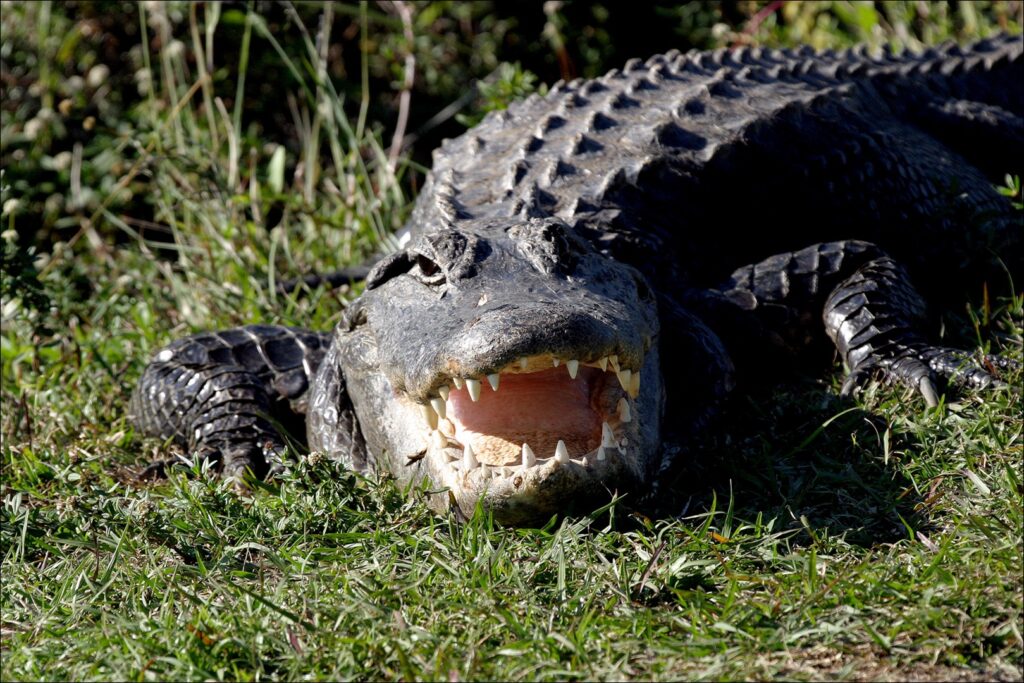
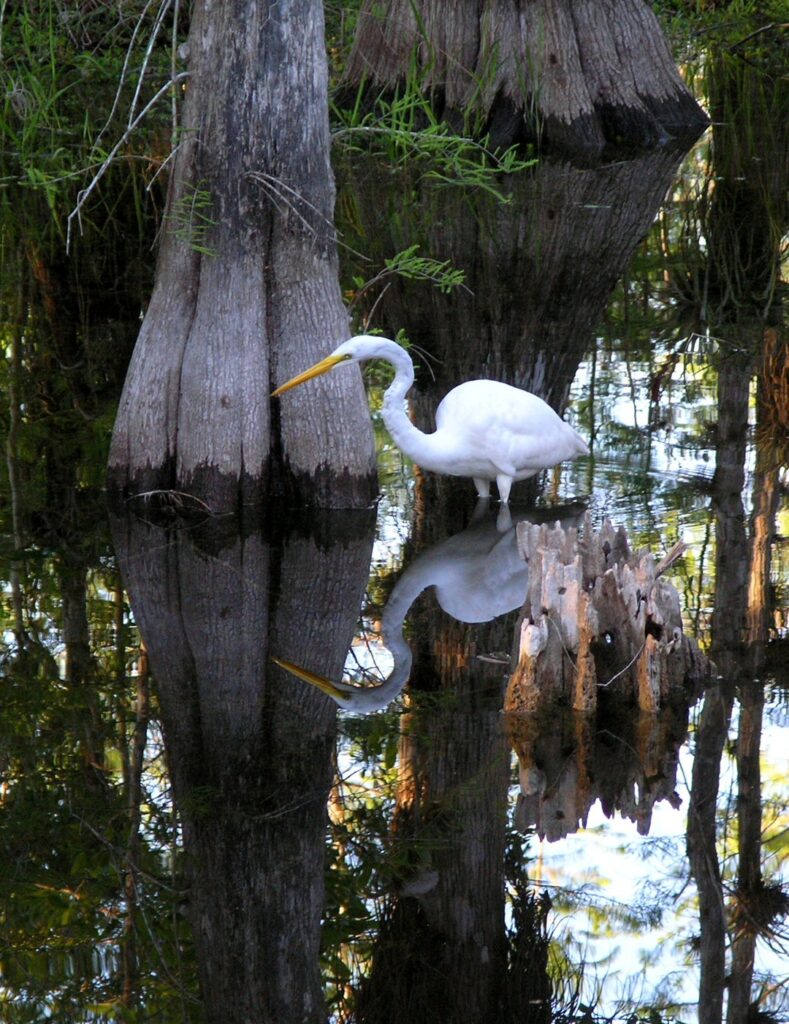
As the water levels drop across the park’s vast sawgrass prairies and sloughs, fish, birds, and other wildlife become concentrated in the remaining pools and waterways in numbers that are genuinely hard to believe until you’ve seen them. Wading birds pack the shallows by the thousands. American alligators line the banks of places like Anhinga Trail and Eco Pond in densities that would seem exaggerated if the photographs weren’t so consistent. For wildlife watching, there is no better window in the entire national park system than the Everglades in early spring.
The ecosystem itself is unlike anything else in the country. The Everglades is the largest subtropical wilderness in the United States, and it functions less like a swamp and more like a very slow moving river, just inches deep and miles wide, flowing south toward Florida Bay. That description doesn’t quite capture what it feels like to stand in the middle of it. The park protects over 350 species of birds, 36 species of native orchids, and more species of fish than any freshwater system in the country. Birders in particular tend to treat an Everglades spring trip as something close to a pilgrimage.
Timing matters here more than at any other park on this list. March and early April are the sweet spot, and this is when the Everglades makes its strongest case as one of the best spring national parks in the country.
By late April the heat is building and the humidity follows close behind, and by May conditions have shifted enough that the experience is meaningfully different from what early spring delivers. If you can get to the Everglades before mid-April, do it. If your spring trip falls in May, one of the other parks on this list will serve you better. No matter when you go though, it offers up one of the most spectacular sunrises in Florida.
6. Death Valley National Park, California and Nevada
Every few years, Death Valley does something that stops the internet in its tracks.

When the conditions align just right, the valley floor explodes with wildflowers in what’s known as a superbloom. Billions of seeds that have been lying dormant in the desert soil suddenly germinate at once, and landscapes that are typically brown and barren turn vivid shades of yellow, purple, and gold as far as you can see. It is one of the most dramatic natural spectacles in North America. The honest caveat is that superblooms are not guaranteed and are nearly impossible to time a trip around. They require a very specific combination of rainfall, temperature, and timing that doesn’t come together every year. You shouldn’t book a Death Valley spring trip banking on one.
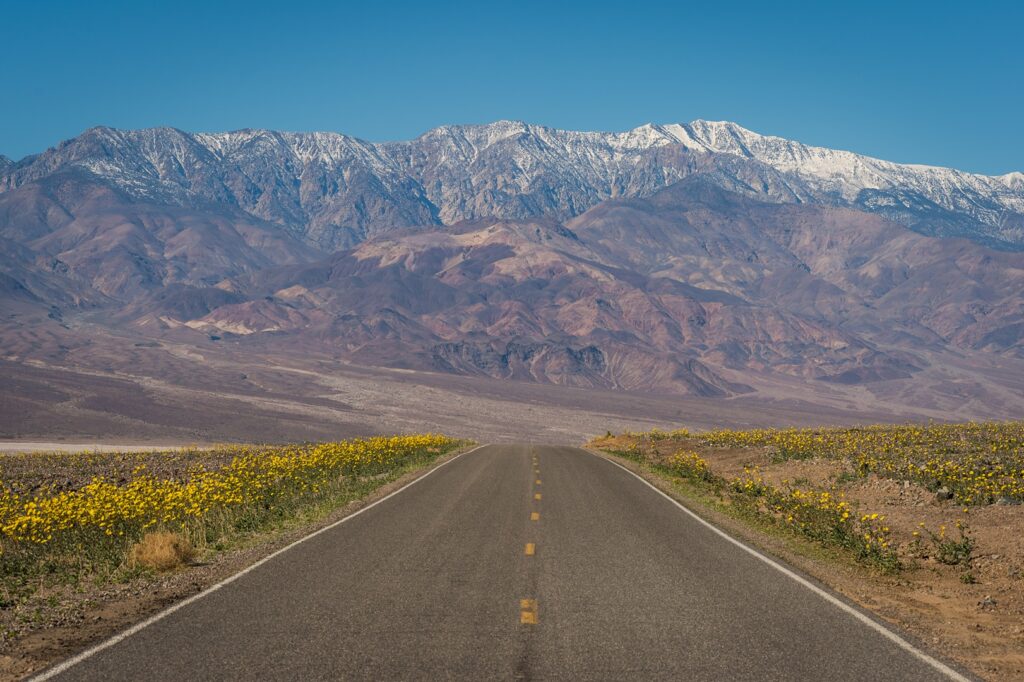
What you can bank on is everything else the park offers in spring, because there is plenty. I drove through Death Valley in June and came away wishing I had gone in April instead. The heat in summer is not a minor inconvenience. It is a genuine force that shortens your day and narrows your options considerably.
In spring, before the temperatures climb into triple digits, the park opens up in a way that summer simply doesn’t allow. Badwater Basin, the lowest point in North America, is a place that demands you stop and sit with it for a while. The vast white salt flats stretch out in every direction with the valley walls rising thousands of feet around you, and the silence is the kind that feels almost physical. The Devil’s Golf Course, a field of jagged salt crystal formations nearby, is one of the strangest and most compelling landscapes you’ll find anywhere in the country.

The timing window for comfortable spring weather is smaller than you might expect. April is the sweet spot. March can still deliver pleasant days but the park draws significant crowds chasing wildflower season, and you’ll feel it. By May the heat is already building toward summer levels and the window is closing fast.
Whatever month you choose, get out at sunrise. The light hitting the valley walls in the early morning hours is spectacular, and you’ll be back inside before the day reaches its peak heat. I made the mistake of exploring at midday in June and learned that lesson the hard way. Don’t repeat it. Death Valley is one of the best national parks to visit in spring, but only if you respect the calendar.
5. Saguaro National Park, Southern Arizona
The saguaro cactus is one of the most recognizable symbols in the American West, and spring is when these giants put on their best show.

Saguaros are slow growers in the extreme. A cactus that stands forty feet tall may be two hundred years old, and the ones inside this park have been standing since long before Arizona was a state. In late April and May, white waxy blooms appear near the tops of the arms and crowns of the cacti, turning what is already an impressive landscape into something genuinely spectacular. The blooms are also the official state flower of Arizona, which tells you something about how central the saguaro is to the identity of this part of the country.
Beneath the cacti, the desert floor adds to the display with poppies, lupines, and brittlebush filling the washes and hillsides with color. Spring is short in the Sonoran Desert, and the wildflower window moves fast, but if you catch it right you’ll understand immediately why Saguaro belongs on any serious list of the best national parks for spring.
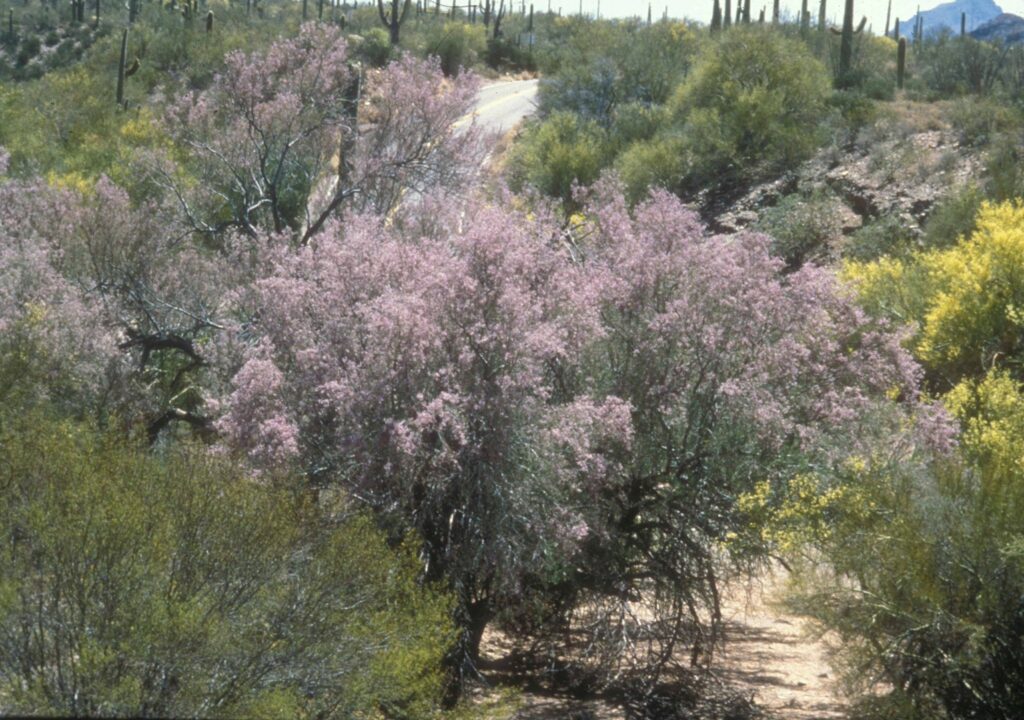
What sets Saguaro apart from almost every other park on this list is how it sits within the city of Tucson. The park is divided into two separate districts, the Rincon Mountain District to the east and the Tucson Mountain District to the west, with the city itself in between. That means you have full access to hotels, restaurants, and city amenities while still being minutes from the park in either direction. For families or travelers who aren’t interested in camping or remote logistics, that arrangement is genuinely hard to beat. You can spend a morning hiking through forests of ancient cacti and be back in Tucson for lunch without any of the planning that other desert parks require.

The east and west districts offer meaningfully different experiences and are worth treating as two separate visits if your schedule allows since it is one of the best national parks for spring. The Rincon Mountain District features longer backcountry trails and higher elevation terrain, while the Tucson Mountain District offers the denser cactus forests and better access to desert wildflower displays in spring. Between the two, most first time visitors tend to prefer the west side, but honestly you can’t go wrong with either.
4. Big Bend National Park, West Texas
Big Bend starts waking up before spring even officially arrives.
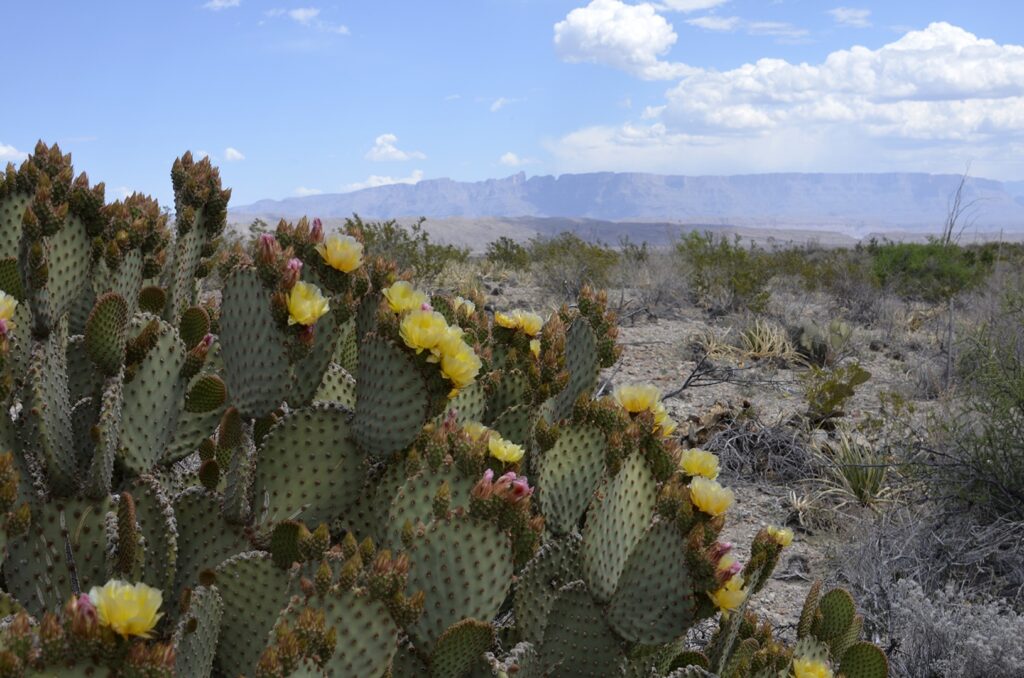
Wildflowers begin appearing in the lower elevations of the park as early as February, which is earlier than almost anywhere else on this list. By March the display is in full swing, with cacti blooming across the Chihuahuan Desert floor and the higher elevations of the Chisos Mountains showing off their own seasonal color. The weather in March and April is about as good as it gets anywhere in the park system, with warm days and cool nights that make hiking genuinely comfortable across the full range of terrain the park offers.
Big Bend covers over 800,000 acres, making it larger than the state of Rhode Island, and spring is the season when you can actually access and enjoy all of it. By summer the heat makes large portions of the lower desert difficult to spend extended time in.

The remoteness that keeps Big Bend off many people’s radar is also what gives it one of the darkest night skies of any national park in the lower 48. The nearest city of any real size is hours away in any direction, and that isolation translates directly into what you see when you look up after dark. The Milky Way is a permanent fixture on clear spring nights, and the park’s designation as an International Dark Sky Park reflects just how exceptional the conditions are. Joining a ranger led astronomy program is worth building your itinerary around if the timing works out.

The Rio Grande forms the entire southern boundary of the park, and spring is the best time to get on the water. Float trips through Santa Elena Canyon, where the river cuts through limestone walls rising over 1,500 feet on either side, are one of the most memorable experiences the park offers. The spring water levels are generally more favorable for paddling than the lower flows of late summer, and the canyon walls provide enough shade to keep the experience comfortable even as the days warm up.
Getting to Big Bend requires commitment regardless of where you’re coming from, but on the long drive there, you can listen to my desert playlist. It is one of the best national parks in spring for a reason and the park rewards the commitment to seeing her in a way that very few places in the country can.
3. Great Smoky Mountains National Park, Tennessee and North Carolina
Great Smoky Mountains receives more visitors than any other national park in the country, and in spring it’s not hard to understand why.

The wildflower display here is extraordinary by any measure. The park protects one of the most diverse temperate forests in the world, and that diversity shows up in full force from late March through May. Over 1,500 species of flowering plants bloom in sequence throughout the season, earning the park a reputation among botanists and naturalists as the wildflower capital of the eastern United States.
The Smokies host a Wildflower Pilgrimage every spring that draws visitors from across the country specifically for the blooms. Trillium, wild geranium, and phacelia carpet the forest floor beneath trees that are just beginning to leaf out, and the combination of those colors against the misty blue ridgelines is the kind of thing that stays with you.

I’ve visited Great Smoky Mountains more times than any other park, including an April trip where we made a deliberate choice to skip the well-worn routes. Cataloochee Valley on the eastern edge of the park is one of the best kept secrets in the entire system. It sits away from the main park corridor and sees a fraction of the traffic that Cades Cove draws, yet it offers better odds of elk encounters and a genuine sense of quiet that most visitors to the Smokies never find. You can read my full Cataloochee vs Cades Cove breakdown to find out more.

The Elkmont Historic District is another overlooked gem, where the remnants of an early 20th century resort community sit alongside some beautiful streamside hiking. Most visitors drive right past the turnoff without a second thought.
The crowds are real and it would be doing you a disservice to pretend otherwise. Great Smoky Mountains is the go-to national park for millions of Americans, and spring brings them out in force. The strategy that works is simple even if it requires some discipline. Get there early, earlier than you think necessary. Seek out the areas that don’t appear on the first page of search results. And if you have the experience and gear for backcountry hiking, the park’s interior trails will reward you with a version of the Smokies that most visitors never see. Then you’ll truly see why this place is one of the best national parks to visit in spring.
2. Shenandoah National Park, Virginia
Skyline Drive is one of the great American scenic drives, and spring is when it earns that reputation most convincingly.

The 105-mile road runs the entire length of Shenandoah National Park along the crest of the Blue Ridge Mountains, with over 70 overlooks offering views across the Shenandoah Valley to the west and the Virginia Piedmont to the east. The drive alone makes Shenandoah one of the best national parks in spring.
In spring, those views come framed by trees in the earliest stages of leafing out and hillsides covered in wildflowers that rival anything the park system has to offer. Shenandoah ties for the highest wildflower score of any park on this list, with over 850 species blooming in sequence from late March through May. Trout lilies and bloodroot appear first in the lower elevations, followed by waves of trillium, wild azalea, and mountain laurel pushing up the ridgeline as the season progresses.
I drove Skyline Drive in October as part of a longer road trip along the Blue Ridge Parkway, and even with the fall foliage as competition, the drive itself was extraordinary. In spring, with wildflowers replacing the fall color, the experience is something else entirely.

Plan for at least two or three days to do the drive properly. One day is technically possible but you’ll spend most of it in the car and miss everything worth stopping for. If you can secure a room at Skyland Resort, which sits at one of the highest points along the drive, do it. Big Meadows Campground is the other strong option and puts you near the center of the park with easy access to both directions of the drive.
Stop at as many overlooks as your schedule allows, and make sure The Point Overlook is on your list for sunset. It was the best of the dozens we pulled into, and the light hitting the valley floor in the last hour of the day is the kind of view that makes you glad you didn’t rush through.
2026 also marks the 100th anniversary of Shenandoah National Park, which means the park service will be marking the occasion with special programming and events throughout the year. Spring is as good a time as any to be there for it, and for a park that doesn’t always get the national attention it deserves relative to its western counterparts, an anniversary year feels like the right moment to finally make the trip. Shenandoah is one of the best national parks to visit in spring on the East Coast, and it isn’t particularly close.
1. Channel Islands National Park, Southern California
Getting to Channel Islands requires a boat, and that is precisely the point.
The park sits across a stretch of the Pacific Ocean off the coast of Ventura, and the only way in is a ferry operated by Island Packers or a seat on a small charter plane. That barrier is not a flaw in the experience. It is the reason the experience exists at all. While the rest of Southern California’s coastline has been developed, subdivided, and visited to within an inch of its life, the five islands of Channel Islands National Park have remained almost exactly as they were before European contact. No roads, no hotels, no concessions. Just 250,000 acres of island wilderness sitting in some of the most biologically rich ocean waters in the world.
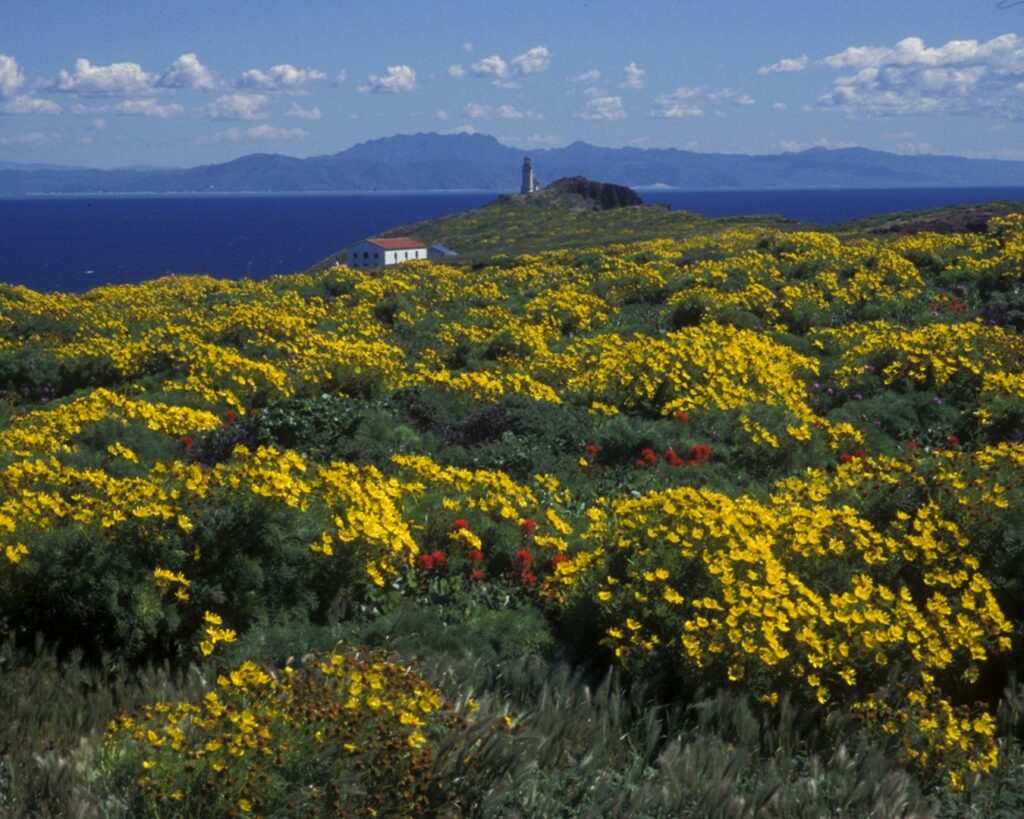
Spring is when the marine ecosystem around the islands reaches a kind of fever pitch. Gray whales are completing their northward migration through the Santa Barbara Channel from March through May, passing close enough to the islands that sightings from the ferry alone are common. The waters around the islands are home to over 2,000 species of plants and animals, including five species of pinnipeds that haul out on the rocky beaches in significant numbers during spring. Giant sea bass, hammerhead sharks, and blue whales all move through the channel during the season.
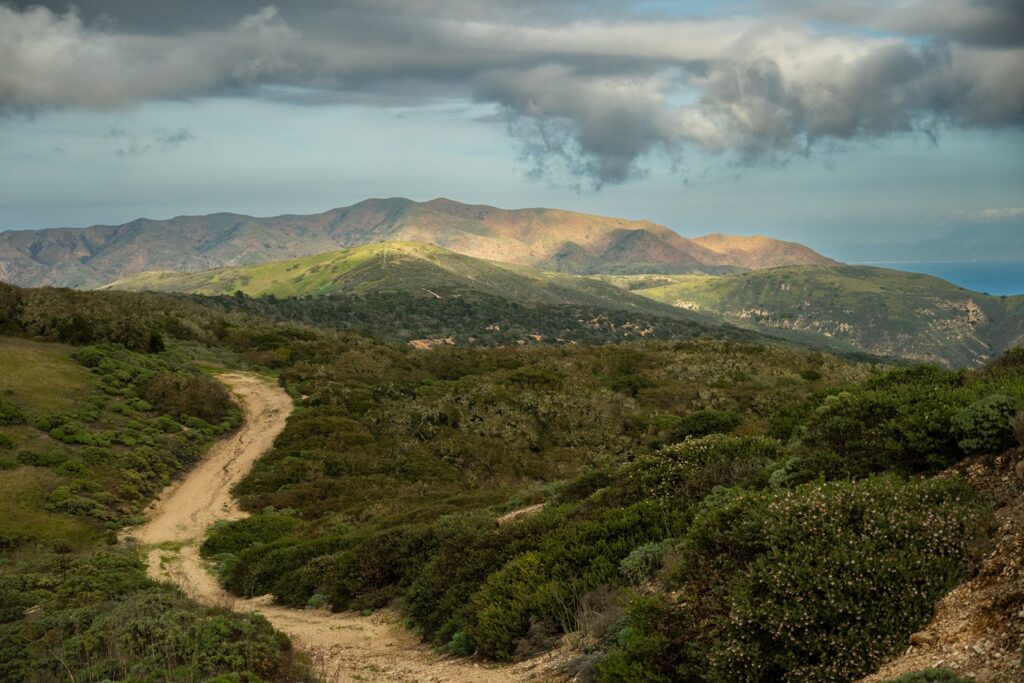
Above the waterline, the islands themselves are carpeted in wildflowers that exist nowhere else on earth. Channel Islands has one of the highest concentrations of endemic plant species of any place in the United States, and spring is when they bloom. On Santa Cruz Island, the largest in the chain, the combination of wildflower covered hillsides dropping into turquoise coves is the kind of scenery that makes you wonder why this park isn’t mentioned in the same breath as Yosemite or the Grand Canyon.
The weather at Channel Islands in spring is the best in the entire national park system, full stop. The marine layer that rolls in off the Pacific keeps temperatures mild and consistent throughout March, April, and May in a way that no other park on this list can match. You will not be dodging heat advisories or checking the forecast nervously. You show up, the weather is good, and it stays that way.

Book your Island Packers ferry well in advance, particularly for Santa Cruz Island which draws the most visitors. Camping on the islands is the best way to experience them fully, and those permits go quickly in spring. Even a day trip is worth the effort, but if you can stay overnight you’ll have the islands almost entirely to yourself once the day trippers head back to the mainland. For a park this extraordinary, that kind of solitude is something close to a miracle. I can’t wait to plan my own trip to one of the best national parks in spring, Channel Islands!
Honorable Mentions for Best Spring National Parks in 2026
Three parks came close enough to the list that they deserve a mention. Redwood National and State Parks in Northern California would have been a strong addition on the data, but with four California parks already represented, geographic balance won out. If you’re on the West Coast and the other California options don’t fit your plans, Redwood is absolutely worth your spring consideration and a trip along the Redwood Highway.

Guadalupe Mountains National Park in West Texas is the natural alternative for anyone drawn to Big Bend but looking for something even more remote and less visited. It shares much of the same spring weather quality and desert wildflower appeal, with the added draw of being home to the highest peak in Texas.
Mammoth Cave National Park in Kentucky earns a mention specifically for families planning a spring break trip. The cave tours run year round regardless of weather, which makes it a reliable option when spring conditions elsewhere are unpredictable, and the surrounding park offers solid hiking as the forest comes back to life in April and May.
Wrapping Up the Best Spring National Parks for 2026
Spring is genuinely the best kept secret in national park travel. The crowds that define summer haven’t arrived yet, the weather across most of the country is at its most cooperative, and the parks themselves are putting on a show that no other season can match. Every park on this list earned its spot through the same rigorous lens; weather, crowds, wildflowers, and overall experience; and every single one of them is worth the trip.
Whether you’re watching condors circle above ancient volcanic rock at Pinnacles or spending an evening on the Channel Islands with the Pacific stretching out in every direction and almost no one else around, the best national parks to visit in spring will not let you down.
No matter which of these best national parks for spring ends up on your itinerary, get out there and experience it. Then come back and let me know in the comments which one you visited and what you thought. I’d love to hear about it!
If this post has helped you plan your next trip and you’d like to help me continue writing and travelling I’d greatly appreciate your support. Following me on social media will help you stay in touch, or you can get a free custom itinerary by signing up for my newsletter!
Don’t Forget to Pin by Using the Images Below!


Leave a Reply